Engineering, manufacturing and control
Careers in engineering, manufacturing and control
There are lots of different roles within engineering, manufacturing and control.
You could:
- work on a production line following quality standards
- build and install machinery
- understand problems and find solutions
There are roles at all levels with lots of routes in. You can find out about the different entry routes you can take on the job profiles.
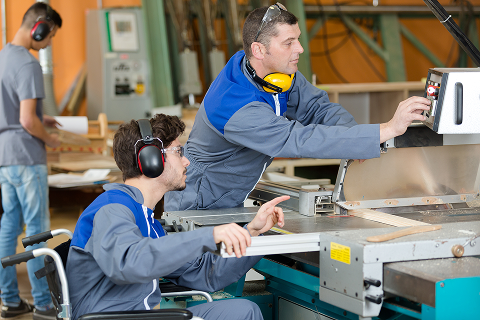
Examples of careers in engineering, manufacturing and control
Within this sub-sector, you'll find a range of career opportunities.
We've selected a few examples to show the variety of roles, levels and training times. Training time is the amount of time it takes to learn and gain the experience needed to do the job well.
Click on any of the job profiles to view information on entry routes, salary and progressions opportunities, plus much more.
Automotive engineer
Automotive engineers design, test and build cars, vans, lorries, buses and motorbikes.
Production manager (manufacturing)
Production managers make sure manufacturing processes run smoothly, are cost-effective and deliver products on time and of the right quality.
Production worker (manufacturing)
Production workers manufacture goods and parts in industries like food and drink, pharmaceuticals, battery technology and engineering.
Example pay ranges in engineering, manufacturing and control
Below are some examples of the pay you could earn from working in different jobs in this sub-sector.
If you’d like to see more salary information for more jobs in this sub-sector, you can view all careers in engineering, manufacturing and control.
We estimate our salary ranges based on different sources. Find out more about the sources we use for salary information.
We'll put a salary as variable if reliable information is difficult to find. This might happen for jobs that are often freelance or have lots of self-employed workers.
| Job role | Starting pay | Pay with experience |
|---|---|---|
| 3D printing technician | £27,000 | £45,000 |
| Aerospace engineer | £30,000 | £70,000 |
| Aerospace engineering technician | £27,000 | £50,000 |
| Automotive engineer | £26,000 | £48,000 |
| Blacksmith | Variable | Variable |
| Car manufacturing worker | £22,000 | £32,000 |
| Chemical engineer | £34,000 | £65,000 |
| Chemical engineering technician | £25,000 | £42,000 |
| Chemical plant process operator | £22,000 | £34,000 |
| CNC machinist | £25,000 | £42,000 |
| Electrical engineer | £27,000 | £58,000 |
| Electrical engineering technician | £24,000 | £48,000 |
| Electricity generation worker | £24,000 | £35,000 |
| Electronics engineer | £28,000 | £60,000 |
| Electronics engineering technician | £26,000 | £42,000 |
| Engineering operative | £22,000 | £33,000 |
| Farrier | Variable | Variable |
| Food factory worker | £21,000 | £28,000 |
| Food manufacturing inspector | £27,000 | £45,000 |
| Footwear designer-maker | £24,000 | £40,000 |
Find out what type of career is right for you
If you're unsure about the type of careers that are right for you, you can take a skills assessment. There are no right or wrong answers when doing a skills assessment. It’s a way to understand yourself better and help you think about your next step.
Take a skills assessmentExplore all sectors
If you’re not sure that this is the right sub-sector for you, you can explore all sectors and discover what each sector has to offer.