Armed services
Careers in the armed services
There are lots of different roles in the armed services.
You could:
- join the British Army, Royal Air Force or Royal Navy
- train to do a job you can do in or out of the armed services, like doctor or engineer
- take part in training exercises, humanitarian operations and combat missions
There are roles at all levels with lots of routes in. You can find out about the different entry routes you can take on the job profiles.
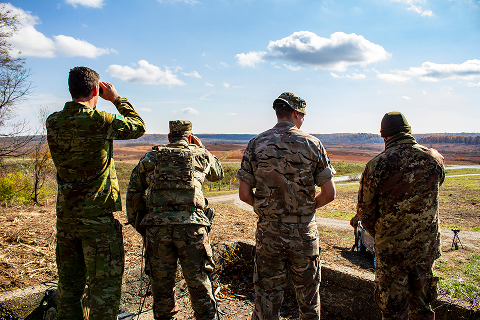
Examples of careers in the armed services
Within the armed services, you'll find a range of career opportunities, from entry level to management.
We've selected a few examples to show the variety of roles, levels and training times. Training time is the amount of time it takes to learn and gain the experience needed to do the job well.
Click on any of the job profiles to view information on entry routes, salary and progressions opportunities, plus much more.
Dog handler
Dog handlers work with specially trained dogs to help detect and prevent crime, find lost or missing people and protect property.
Royal Marines commando
Royal Marines commandos take part in frontline combat, and are sent at short notice to deal with emergency situations.
Royal Navy rating
Royal Navy ratings work in a variety of roles on board ships and submarines, and at naval bases.
Example pay ranges in the armed services
Below are some examples of the pay you could earn from working in different jobs in this sub-sector.
If you’d like to see more salary information for more jobs in this sub-sector, you can view all careers in the armed services.
We estimate our salary ranges based on different sources. Find out more about the sources we use for salary information.
We'll put a salary as variable if reliable information is difficult to find. This might happen for jobs that are often freelance or have lots of self-employed workers.
| Job role | Starting pay | Pay with experience |
|---|---|---|
| Army officer | £36,000 | £65,000 |
| Dog handler | £23,000 | £34,000 |
| RAF aviator | £27,000 | £51,000 |
| RAF officer | £36,000 | £65,000 |
| RAF regiment gunner | £27,000 | £51,000 |
| Royal Marines commando | £27,000 | £51,000 |
| Royal Marines officer | £36,000 | £65,000 |
| Royal Navy officer | £36,000 | £65,000 |
| Royal Navy rating | £27,000 | £51,000 |
| Soldier | £27,000 | £51,000 |
Find out what type of career is right for you
If you're unsure about the type of careers that are right for you, you can take a skills assessment. There are no right or wrong answers when doing a skills assessment. It’s a way to understand yourself better and help you think about your next step.
Take a skills assessmentExplore all sectors
If you’re not sure that this is the right sub-sector for you, you can explore all sectors and discover what each sector has to offer.